
Art of the Carpathians 2026
The 8th European Congress of Conservation Biology will take place in the home of traditional wind mills and so, this year, we turn toward
The Power of Wind
Climate change mitigation is often associated with renewable energy and along with solar power, conversation about wind power – its potential, its beauty, and its controversy – have taken center stage.
Last year, SCB Europe Region invited artists to reflect on nature’s fragility amid humanity’s destructive tendencies. This year, we turn to the wind: a force both gentle and ferocious, life-giving and destructive.
In the Carpathian Mountains, recent wind farm projects have stirred public debate. While some celebrate them as symbols of sustainable progress, others – environmental, civil, and religious organizations alike – warn against building turbines on protected lands. These projects risk disrupting fragile ecosystems, breaking the rhythm of mountain ridges, and endanger the region’s flora and fauna.
Theme for 2026 Art of the Carpathian call: The Power of the Wind
This year, we invite artists to explore the dynamism and energy of the wind – its grace and destruction, its calm and chaos.
Submissions may portray the wind’s force in a positive and/or critical light, expressed through the artist’s chosen medium and vision.
We welcome paintings and graphic works created within the past three years (2023–2026). Each piece should draw inspiration from the European National Parks or the Carpathian Biosphere Reserve – landscapes where the wind has long been a shaping force.
Awards & Exhibition
Selected works will be judged by the Europe Region Section of the Society for Conservation Biology (SCB) and Transcarpathian fine and applied artists.
Winning and selected pieces will be featured in a digital exhibition at the 8th European Congress of Conservation Biology (ECCB), Leiden, Holland, 2026.
Awards
1st Prize – Painting: €300 + digital exhibition at ECCB 2026*
1st Prize – Graphics: €300 + digital exhibition at ECCB 2026*
Submission Requirements
Your application must include:
- A recent photograph of the applicant
- Short artist bio (max. 500 words, in English, PDF format)
- High-quality image of the artwork (created in 2023–2025, minimum 300 DPI).
The work must reflect inspiration drawn from Transcarpathian or European National Park’s nature and landscapes. - Description and interpretation of the piece (max. 200 words, in English, PDF format).
Deadline: April 30, 2026
Submit to: europe@conbio.org
Email subject: Art of the Carpathians_YourName / The Power of the Wind
Wind in Art — From Tempest to Tranquillity
Throughout art history, the wind has captivated artists as both subject and symbol. Romantic painters, such as William Turner, depicted violent tempests and crashing seas -reminders of humankind’s smallness before the vast power of nature.
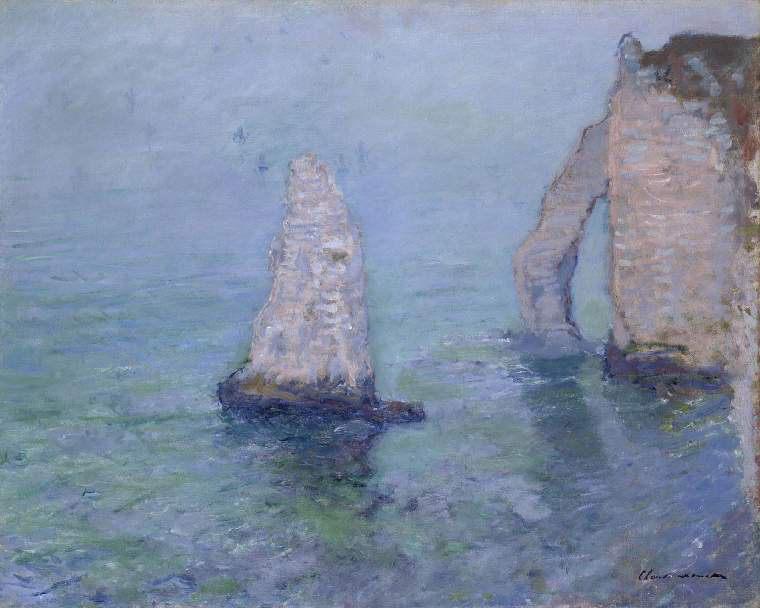
For the Impressionists, like Claude Monet, the wind carved beauty itself into the Normandy cliffs, transforming the rugged coast into poetry in stone. Even when unseen, its presence shaped the light, the motion, the very atmosphere of their work.
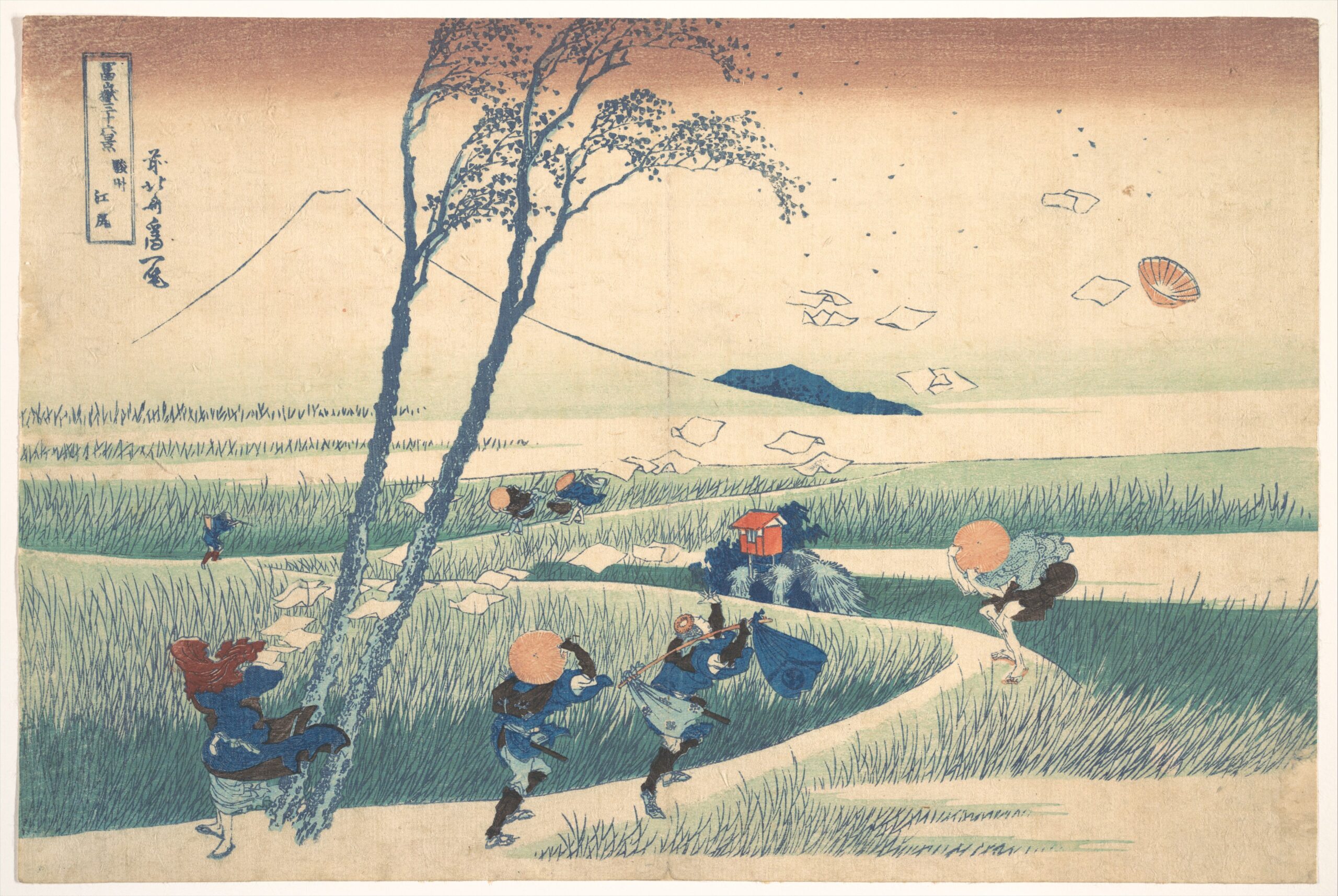
Across the world, Katsushika Hokusai captured the dance of paper, fabric, and leaves in his Thirty-Six Views of Mount Fuji, where a sudden gust could carry a simple sheet of paper to the heavens. His prints reveal a duality: the surrender of nature to the wind, and humanity’s struggle against it -a dynamic tension that continues to inspire artists today.
And who could forget Zephyr, the god of the west wind, who blew Botticelli’s Venus to shore, or the swirling skies of Van Gogh’s Starry Night, alive with unseen movement?